 11
11

Local Efforts and Community Actions Driving Environmental Change
Somalia, a country long challenged by climate change, drought, and environmental degradation, is gradually taking meaningful steps toward building a greener and more sustainable future. While the challenges remain significant, communities, environmental groups, and young activists across the country are beginning to lead initiatives aimed at protecting natural resources and restoring ecological balance.
Somalia is among the countries most vulnerable to climate change. Recurring droughts, desertification, deforestation, and water shortages have affected agriculture, livestock, and livelihoods for millions of people.
Years of conflict and limited environmental regulation have contributed to widespread tree cutting for charcoal production, soil erosion, and loss of biodiversity. These environmental pressures have intensified food insecurity and displacement in rural areas.
However, despite these obstacles, awareness about environmental protection is growing.
Across several regions, local communities are launching small but impactful environmental projects:
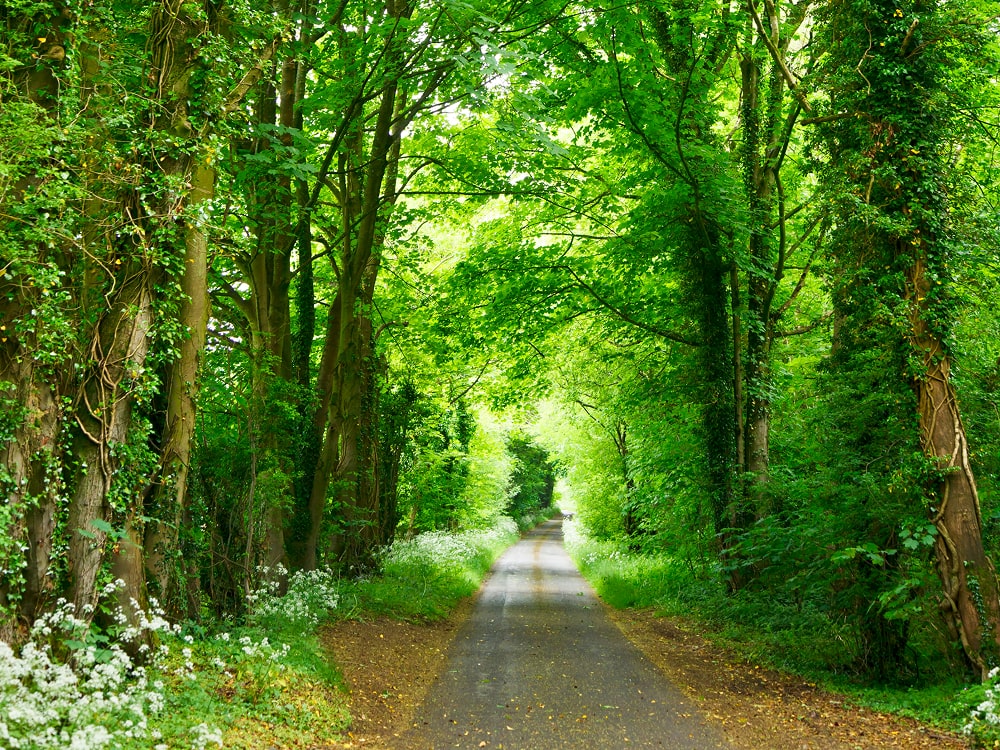
Tree planting campaigns aimed at combating desertification
Community clean-up programs in urban areas
Water conservation projects supporting sustainable agriculture
Youth-led climate awareness movements
In cities such as Mogadishu, Hargeisa, and Kismayo, young volunteers and civil society organizations are encouraging recycling, waste management, and greener public spaces.
Young Somalis are playing an increasingly important role in environmental advocacy.
Schools and universities are introducing awareness programs focused on climate change and sustainability.
Social media has also become a powerful tool, allowing activists to share environmental messages and mobilize communities around conservation efforts.
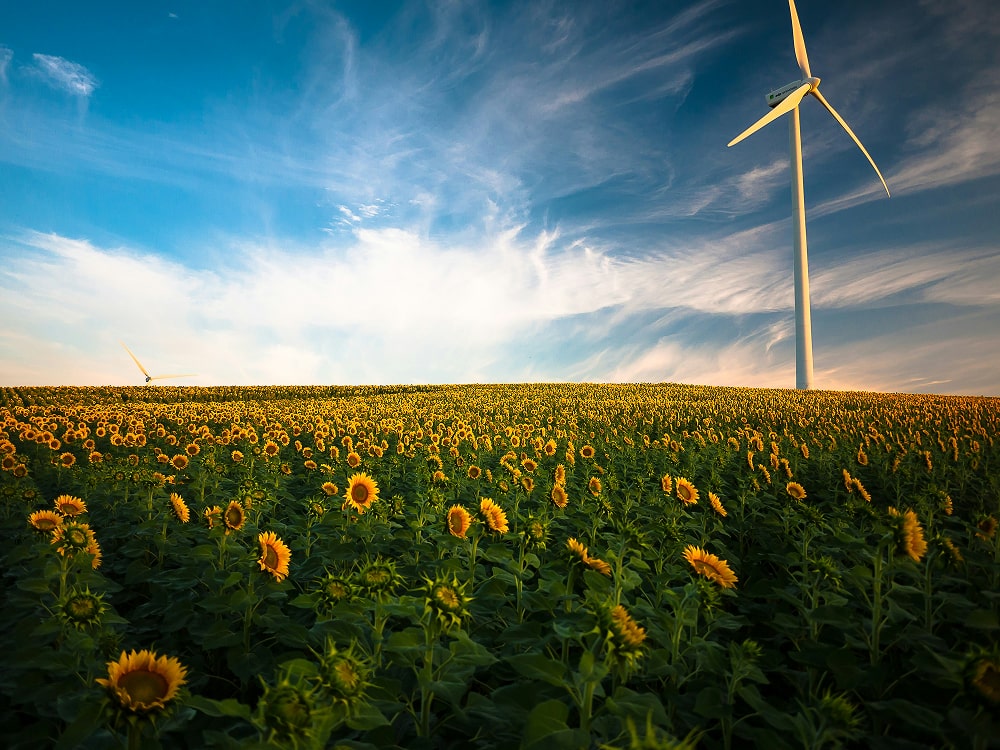
Somalia has strong potential for renewable energy, particularly solar power.
Many households and businesses are already turning to solar systems as affordable alternatives to traditional fuel sources.
Expanding renewable energy could reduce dependence on charcoal and diesel generators, helping both the environment and economic development.
Environmental progress also depends on cooperation between government institutions and international partners.
Projects focused on reforestation, water management, and climate resilience are gradually being introduced with support from global organizations.
Although progress is slow, these partnerships represent important steps toward long-term sustainability.
Somalia’s journey toward environmental sustainability may still be in its early stages, but small actions are creating meaningful change.
Community engagement, youth leadership, and growing awareness demonstrate that environmental protection is becoming a shared national priority.
Protecting the environment today will help secure food, water, and economic stability for future generations — proving that even small steps can lead to a greener Earth.