 11
11

Why Environmental Responsibility Matters Now More Than Ever
As the world continues to experience rapid industrial growth and technological advancement, the health of our planet faces increasing challenges.
Climate change, pollution, deforestation, and loss of wildlife habitats are no longer distant concerns — they are global realities affecting communities today.
Protecting our planet has become a shared responsibility to ensure a sustainable future for generations to come.
Earth’s ecosystems provide essential resources that support life, including clean air, fresh water, fertile soil, and stable climates.
However, human activities have placed immense pressure on these natural systems.
Rising global temperatures, extreme weather events, melting ice caps, and declining biodiversity are clear signs that environmental balance is under threat.
Scientists warn that without urgent action, future generations may inherit a planet facing severe environmental instability.
A clean environment directly impacts human health. Pollution in air and water contributes to respiratory diseases, contaminated food sources, and reduced quality of life.
Natural resources such as forests, oceans, and minerals are limited. Responsible management ensures these resources remain available for future generations.
Healthy ecosystems support diverse species of plants and animals. Protecting habitats helps maintain ecological balance and prevents species extinction.
Environmental protection also benefits economies. Sustainable industries, renewable energy, and eco-tourism create jobs while reducing long-term environmental damage.
Today’s environmental threats include:
Climate change caused by greenhouse gas emissions
Plastic and chemical pollution
Deforestation and habitat loss
Overconsumption of natural resources
Ocean degradation and overfishing
Addressing these issues requires coordinated global and local action.
Protecting the planet begins with everyday choices:
Reduce waste and recycle responsibly
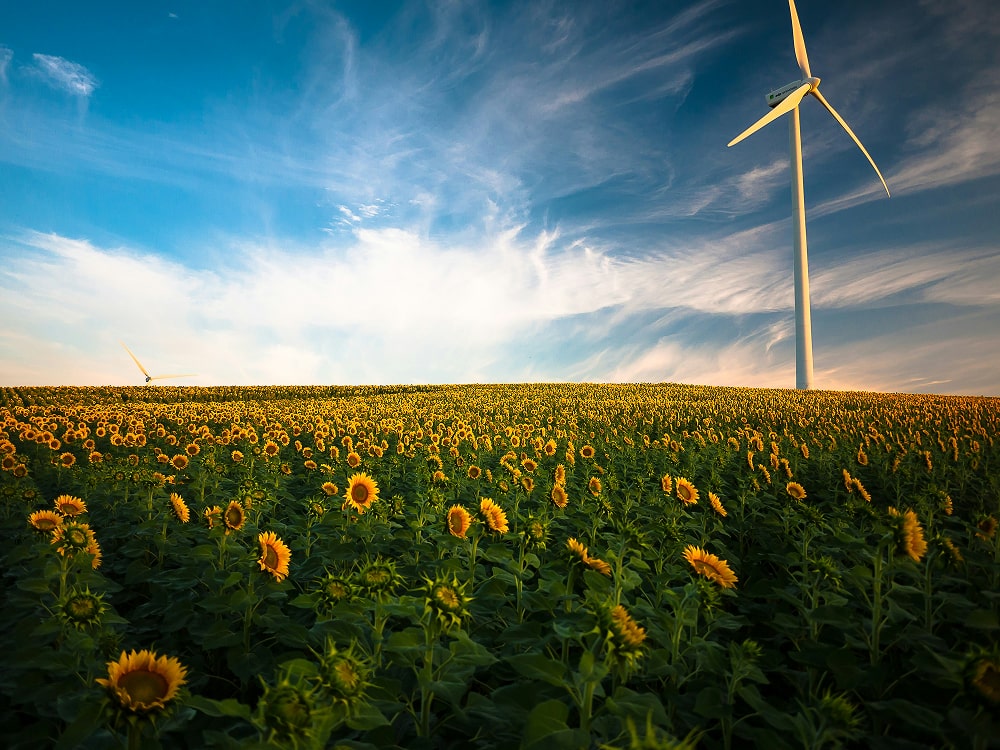
Use energy efficiently and support renewable energy sources
Plant trees and protect green spaces
Reduce single-use plastics
Support environmentally responsible businesses
Governments and organizations also play a crucial role through environmental policies, conservation programs, and sustainable development initiatives.
Environmental awareness is key to long-term change.
Teaching children and young people about sustainability encourages responsible habits and builds a culture of environmental stewardship.
Future generations depend on the decisions made today. By educating and empowering communities, society can create lasting environmental solutions.
Protecting our planet is not the responsibility of one country or one generation — it is a collective mission.
Every action, no matter how small, contributes to a healthier Earth.
By working together to reduce environmental harm and promote sustainability, humanity can ensure that future generations inherit a world that is clean, balanced, and full of opportunity.